Cobalt Mornings and Harbor Lights: Capturing Devon’s Blue Hour Walks
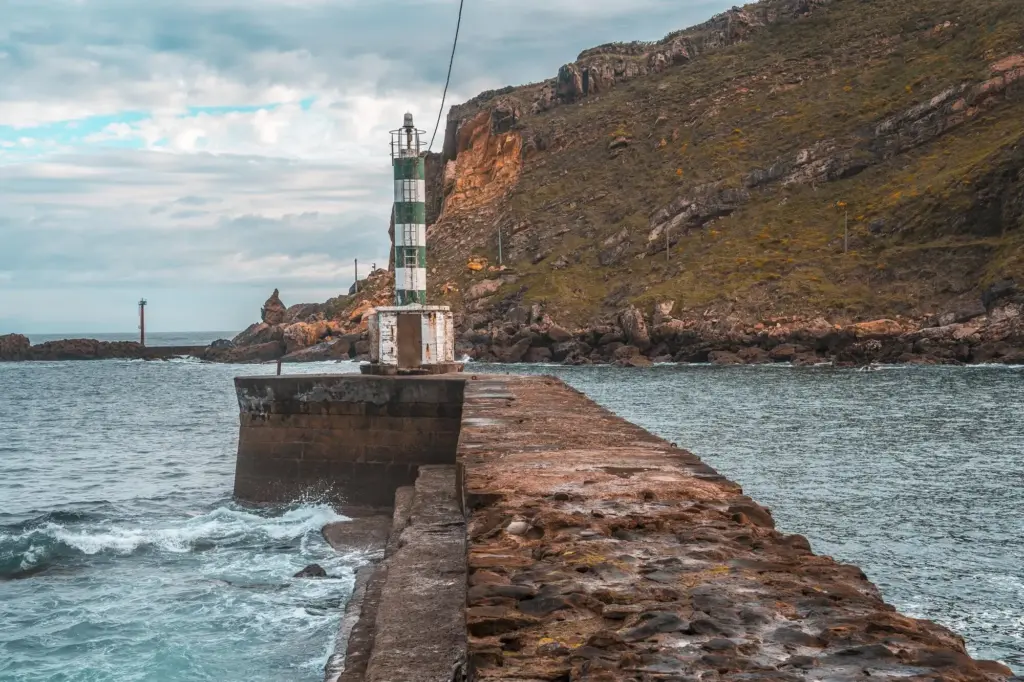
Step into the Blue Hour Photography Guide to Devon’s Harbor Walks, where soft cobalt skies meet lantern-lit quays, polished decks, and quiet tides. We’ll help you plan routes, settings, and stories across Brixham, Dartmouth, Ilfracombe, and beyond, turning reflective water, working boats, and patient piers into soulful, gallery-worthy images you’ll be proud to share.

When the Coast Turns Cobalt

Blue hour hugs Devon’s shoreline for a brief, luminous window after sunset and before sunrise, when ambient light balances harbor lamps and shopfront glow. Understanding civil and nautical twilight, tide times, and cloud cover helps predict reflections, starbursts, and silhouettes that give your coastal photographs tangible atmosphere and emotionally resonant calm.

Gear That Loves the Dusk

A sturdy tripod, a fast wide-angle, and patience are your best allies when harbors glow electric blue. Pack a 16–35mm or 24–70mm, spare batteries, microfibre cloths, and optional ND filters. Shoot RAW, bracket exposures cautiously, and favor deliberate, thoughtful framing over continuous, forgettable bursts.

Tripods, Heads, and Filters

Keep the center column low to fight wind, hang weight from the hook, and lock leg angles firmly on uneven stones. A ball head speeds recomposition. A 3-stop ND manages lingering brightness; a circular polarizer tames glare before darkness, but remove it when light drops quickly.

Settings That Balance Glow and Detail

Start around ISO 100, f/8 to f/11, and a shutter between one and thirty seconds depending on lamp intensity and sky luminance. Use a two-second timer or remote, enable exposure delay, and watch histograms to protect highlights while preserving shadow shape and reflective color.

Lines, Lamps, and Lapping Water

Harbor walks reward patient composition: leading lines along piers, triangles of sails and masts, and mirrored lamps stretching gold across indigo. Work foreground textures—rope coils, mooring rings, and shingle—so depth pulls viewers inward. Wait for a gull, a passerby, or a trawler wake to animate stillness.

Piers as Storytellers

Choose a vantage that lets the pier guide eyes toward glow on the horizon or a lighthouse beacon. Step sideways to avoid mergers, and crouch for drama. Wet timbers reflect beautifully; time your shutter so footsteps blur into gentle strokes that suggest returning workers.

Harnessing Reflections and Ripples

Still basins give mirror-smooth doubles of boats and buildings; light breezes paint watercolor textures you can accentuate with longer exposures. Kneel to lower the camera, align reflections neatly beneath subjects, and protect verticals with careful leveling so masts remain dignified rather than drunkenly skewed.

Including People Without Intrusion

Seek silhouettes of walkers against water or backlit figures near kiosks, and keep moments respectful and fleeting. Use a longer lens from distance, time exposures for subtle motion blur, and avoid faces when privacy matters, letting posture and gesture carry feeling and narrative.

Coastal Walks Worth Your Footsteps

Devon’s harbors invite unhurried circuits with frequent pauses for cobalt skies and tungsten glows. Choose short evening loops or ambitious dawn explorations, noting access, gradients, and safety. The following walk ideas mix viewpoints, sheltered corners, and working waterfronts where respectful curiosity meets real maritime character.

Tea on the Breakwater

One winter dawn at Brixham, a fisherman offered hot tea while lamps still glittered across the basin. I steadied the tripod, shot a two-second frame, and his silhouette lifted the scene. Remember to smile, thank workers, and share a preview when invited.

Mist on the Dart

A spring evening brought gauze-thin fog that softened timetables and conversations. I waited as a ferry slid silently between moorings; thirty seconds turned ripples to silk while rooftops glowed amber. Patience matters most when the forecast seems dull; subtlety can outshine fireworks.

Wind at Ilfracombe

Strong gusts chased clouds like theatre curtains. I shortened exposures, lowered the center column, and cupped the camera from crosswind. The resulting streaked sky framed Verity beautifully. There is confidence in adapting; let conditions lead rather than wrestling them into tidy perfection.

Color Management and Mixed Light

Tungsten, sodium, and modern LEDs mingle across quays. Use selective color or calibration sliders to align warmth without bleaching the sea. Preserve a cool backbone, let golden trails sing, and avoid heavy dehaze that desaturates twilight gradients you patiently waited to layer into the frame.

Sharpness, Noise, and Starbursts

Apply noise reduction judiciously so ripples keep character. Mask sharpening to edges, and try f/16 for starbursts around pier lights if diffraction remains acceptable. For stacks, blend exposures manually to protect highlight bloom while maintaining detail in timbers, ropes, and shadowed stone steps.

Export, Share, and Archive

Export high-resolution files for prints and restrained web versions for speed, adding captions with tide, location, and exposure notes. Consider geotag privacy for sensitive spots. Invite feedback, credit crews when appropriate, and organize backups so future you can find memories instantly.
Zorivanizavodexokaro
Privacy Overview

This website uses cookies so that we can provide you with the best user experience possible. Cookie information is stored in your browser and performs functions such as recognising you when you return to our website and helping our team to understand which sections of the website you find most interesting and useful.